

Gweru, Zimbabwe—Technology is moving fast, and some of the latest developments may sound like science fiction. One of them is a tiny computer chip that is placed in the human brain to help people control devices using their thoughts.
Elon Musk’s company, Neuralink, has now implanted these brain chips in 21 people around the world as part of ongoing medical trials. While the technology is still new and experimental, it is already showing what may be possible in the future.
The goal of these implants is not to make people “superhuman,” but to help those living with serious conditions such as paralysis or spinal cord injuries regain some independence.
So, What Is a Brain Chip?
A brain chip is a very small electronic device that doctors carefully place in a part of the brain that controls movement. Once implanted, the chip can pick up brain signals and send them to a computer wirelessly.
In simple terms, it allows the brain to “talk” to a computer without the person having to move their hands or body.
What Can People Do With It?
Some of the people who received the chip have already been able to do everyday digital tasks just by thinking. These include moving a cursor on a computer screen, browsing the internet, typing, and even playing games.
One man who was paralysed after a spinal cord injury was able to control a laptop and play online games using only his thoughts. For him, and others like him, this technology has opened up new possibilities.
How Far Along Is This Technology?
Neuralink carried out its first human brain implant in 2024 after many years of testing. At first, regulators were cautious and delayed approval, but permission was eventually granted once safety concerns were addressed.
The trials started with a small number of people and have gradually grown. Today, the 21 participants are spread across countries such as the United States, the United Kingdom, Canada, and the United Arab Emirates.
The technology is still being closely studied, and doctors are watching carefully to make sure it remains safe over time.
What Are People Saying?
Some participants have described the experience as life-changing. One person in the United Kingdom said it feels almost “magical” to control devices simply by thinking about what they want to do.
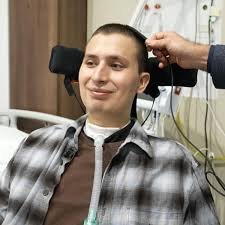
Scientists involved in the project say the real importance of this technology lies in how it could help people who struggle to communicate or interact with the world due to physical limitations.
Why This Matters to Zimbabweans
Although brain chips are not available in Zimbabwe and are still in early testing stages, they show how far assistive technology has advanced. For people living with paralysis or certain neurological conditions, such innovations could one day offer new ways to communicate, learn, work, and stay connected.
Many people may have seen headlines or short clips about brain chips online, but this development shows that the technology is no longer just an idea, it is already being tested on real people, with real results.
For now, it remains something to watch with curiosity, caution, and interest as science continues to push the boundaries of what is possible.
~ VYINESoft